

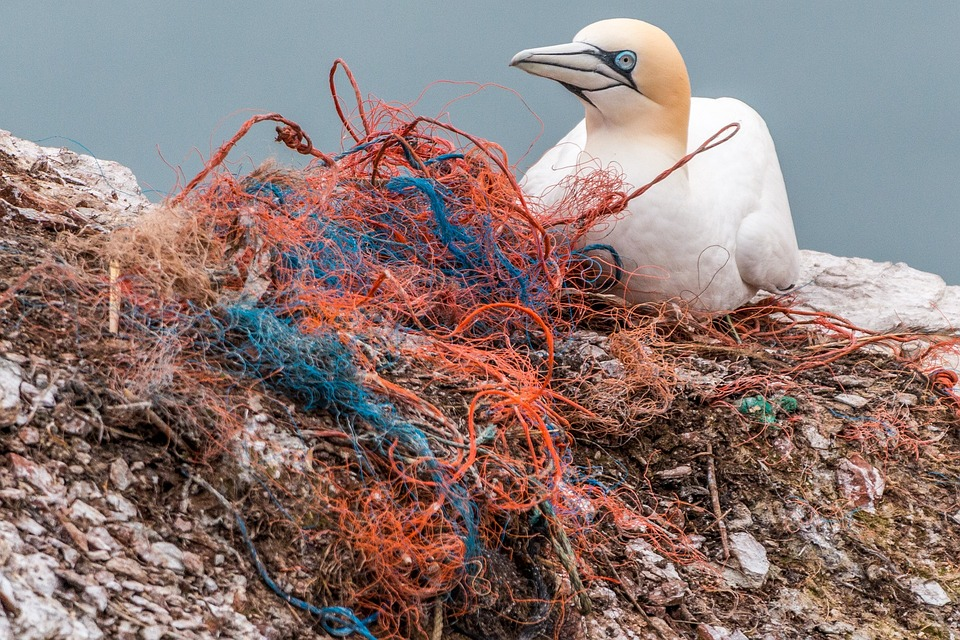
Plastic pollution is an environmental crisis of global proportions, with devastating consequences for our planet, our health, and our future. Research indicates that plastic pollution is one of the greatest threats to our planet, with an estimated 12 million tons of plastic being dumped into the oceans annually. This not only affects marine life, but also has significant consequences for human health, with the potential to cause land and water contamination, food insecurity, and air pollution. Plastic pollution is a complex problem that requires global solutions across multiple sectors, including governments, businesses, and individuals. This blog post will explore the causes of plastic pollution, the current solutions being implemented, and the steps that we can all take as individuals to help reduce the amount of plastic in our environment.
1. Utilizing biodegradable plastics
One of the most effective solutions to the plastic pollution problem is utilizing biodegradable plastics. Biodegradable plastics are plastics made from renewable, natural sources such as corn, sugarcane, and vegetable oils. These materials decompose more quickly in the environment and can be recycled in industrial composting facilities, reducing the amount of plastic that ends up in landfills. Furthermore, biodegradable plastics are more energy-efficient to produce than traditional plastics and do not release the same amount of toxic chemicals in the environment.
2. Implementing recycling programs
Implementing recycling programs is an integral part of solving the plastic pollution problem. Recycling programs are designed to reduce the amount of plastic waste that is sent to landfills. By collecting and processing plastic waste, it can be remanufactured into new products and put back into circulation. This reduces the need for new plastic items to be created, which in turn reduces the amount of plastic pollution. Furthermore, recycling programs create jobs and provide a financial incentive to participate in sustainable practices. It is essential that recycling programs be implemented on a widespread basis in order to make a meaningful impact on the plastic pollution problem.
3. Reducing consumption of single-use plastics
Reducing single-use plastics is one of the most important steps we can take to reduce plastic pollution. Single-use plastics are designed to be used once and then thrown away, leading to a huge amount of unnecessary waste. By avoiding single-use plastics and opting for reusable alternatives, we can significantly reduce the amount of plastic entering our environment. Additionally, when choosing to purchase products that are packaged in single-use plastics, we should look for items that are made from recycled plastic or can be recycled. By taking these steps, we can reduce the amount of plastic waste generated and contribute to solving the plastic pollution problem.
4. Educating the public on the dangers of plastic pollution
Educating the public on the dangers of plastic pollution is a key part of solving the plastic pollution problem. Many people are unaware of how plastic pollution is having a devastating effect on the environment and marine life, and how our day-to-day choices can make a difference. Public education campaigns should focus on raising awareness of the problems associated with plastic pollution, and providing practical tips on how to reduce its impact. This could include initiatives to promote recycling, reduce the use of single-use plastics, and encourage sustainable consumption. Educating the public on the dangers of plastic pollution is an essential part of developing long-term solutions to this global issue.
5. Developing new technologies to reduce plastic waste
When it comes to solving the plastic pollution problem, one of the most effective solutions is to focus on developing new technologies that can reduce our reliance on plastic. From creating biodegradable and compostable plastics to utilizing recyclable materials, there are many ways to reduce the amount of plastic waste we produce. Research is continuously being done to develop new technologies that can help in this area, such as plant-based plastics, bioplastics, and even edible packaging materials. These new technologies can help us make the transition away from single-use plastic and towards more sustainable alternatives.
In conclusion, finding ways to reduce plastic pollution is an urgent matter. We must take the necessary steps to reduce our plastic consumption and properly dispose of the plastic waste we generate. We must also support the development of alternative materials and products that are designed to be reused and recycled. By working together, we can make a real difference in the fight against plastic pollution and protect the environment for future generations.