Keeping Families Healthy and Happy

Are you looking for ways to keep your family healthy and happy? Are you finding it difficult to find cleaning and personal care products that are both safe and effective? If so, then this post is for you! We’ll explore some of the best and helpful tips on how to keep our families fit, healthy and so happy.

We at Micro Defence have been producing cleaning and personal care products for years those are free from hazardous chemicals. We have been contributing to the society by making millions of families healthy and happy. So, we are sharing some tips with you from our experience.

What is the definition of a healthy and happy family?

A healthy and happy family is one that takes care of their physical, mental, and emotional health needs. It is important to create a safe and clean environment in the home, as well as to establish healthy habits and routines. This includes regular handwashing and sanitizing, organizing the home to support healthy habits, and choosing Eco-friendly personal care products. Furthermore, meal planning is an important part of a healthy lifestyle, and cooking nutritious meals for the entire family is a great way to promote healthy eating habits. Finally, self-care is an important part of staying healthy and happy, and it is important to create a balanced routine for the whole family.

A healthy and happy family is one that takes care of their physical, mental, and emotional health needs

Tips for creating a safe and clean home environment

Creating a safe and clean home environment is essential to keeping your family healthy and happy. To achieve this, it’s important to maintain regular cleaning habits, pay attention to ingredients in personal care products, and practice good hygiene.

Cleaning surfaces in your home is an important part of any cleaning routine. This helps to remove germs, dirt, and other impurities, and helps to keep your family healthy. Sanitizing or disinfecting can also reduce the number of germs on surfaces and objects. Additionally, washing your hands frequently with soap and water is one of the best ways to protect yourself from getting a variety of illnesses, including COVID-19, colds, and flu.

When selecting personal care products, it’s important to be aware of the ingredients that might be included in them. By taking the time to read the labels, you can make healthier choices for your family and for the environment.

Organizing your home is also important for supporting healthy habits. Consider creating designated spaces for activities such as meal prep, exercise, and relaxation. This will help your family stay organized and establish a healthy balance.

Finally, remember that self-care is an important part of creating a healthy home environment. Developing a balanced routine for the whole family that includes physical activities, healthy eating, and relaxation can help promote overall well-being.

Organizing your home to support healthy habits

Organizing your home goes a long way in supporting healthy habits. A well-organized and clutter-free home is a great way to encourage healthy eating, exercise, and leisure activities. By setting up a dedicated area for each activity, you can create a space where everyone can work and play in a healthy way. Here are some tips for organizing your home to support healthy habits:

• Create designated areas for each activity. For example, set up an area for studying, an area for exercising, and an area for leisure activities.

• Consider the placement of items in the home. Make sure to locate items like snacks and drinks away from activity areas to avoid distractions.

• Have a separate space for food preparation and eating. This will help to reduce the risk of cross-contamination.

• Declutter your home. Clutter can lead to a feeling of being overwhelmed and can make it difficult to focus on activities.

• Designate a space for storing items like cleaning supplies, soaps, and sanitizers. This will help to keep these items out of the reach of children and make them easy to access when needed.

Healthy recipes for the whole family

Having a healthy diet is essential for maintaining overall health and well-being of the family. Eating nutritious meals ensures that everyone in the family has enough energy to tackle the day, supports their immune system and can help reduce feelings of stress and fatigue. Preparing healthy meals doesn’t have to be complicated and it doesn’t have to mean sacrificing taste. There are plenty of recipes that can be adapted to suit a variety of diets and tastes.

Making sure the family eats a balanced and nutritious diet begins at home. Planning meals for the week and stocking up on the necessary ingredients helps to ensure that the family has access to healthy meals and snacks. This also helps to save time and money, as well as reduce food waste. Finding new recipes and involving the whole family in meal planning and cooking can make the process more enjoyable.

By following these tips, families can take steps towards creating a healthier and happier home environment. Not only can it help to improve physical health, it can also help to reduce worries about nutrition and provide more quality time together.

Role of handwashes and sanitizers in keeping family fit and healthy

Handwashes (liquid soaps) and sanitizers play an important role in keeping our family healthy and happy. Handwashes help to remove dirt and germs from our hands and body, while sanitizers are used to reduce the amount of germs on surfaces and our hands. Regular use of handwashes and sanitizers can help protect our family from getting sick and help prevent the spread of germs.
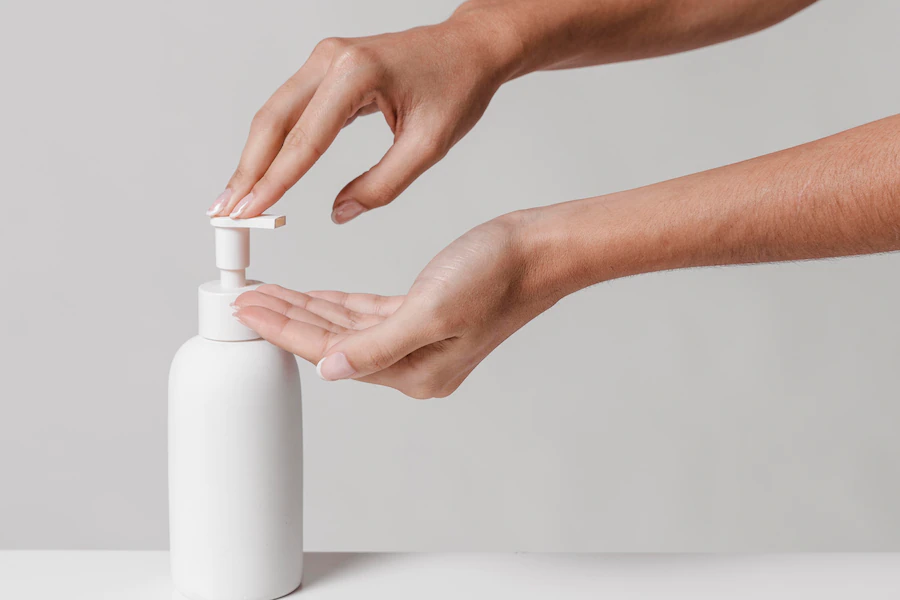
Handwashes (liquid soaps) and sanitizers play an important role in keeping our family healthy and happy

When washing our hands with soap, it is important to make sure that we lather our hands with soap and scrub them for at least 20 seconds. This will help to remove the dirt, germs and other impurities that can cause illness.

Sanitizers help to reduce the amount of germs on our hands and surfaces. They are a quick and easy way to reduce the risk of transmitting diseases. It is important to use sanitizers that are approved by the recognized agencies and to follow the directions on the label.

Using handwashes and sanitizers regularly can help keep our families healthy and happy. It is important to practice good hygiene, such as washing our hands regularly and using sanitizers, in order to reduce the spread of germs and protect our families from getting sick.

Best practices for handwashing and sanitizing

Good hand hygiene is essential to keeping families healthy and happy. Washing your hands frequently with soap and water is the best way to reduce germs and prevent the spread of infection. However, when soap and water aren’t available, using an alcohol-based hand sanitizer is a great alternative. Hand sanitizers, when used correctly, can help reduce the transmission of infectious diseases such as COVID-19, colds and flu.

It is important to teach children about the importance of good hand hygiene. Encourage them to wash their hands for at least 20 seconds, especially after using the bathroom, before eating, after playing with pets, and after touching objects and surfaces outside the home.

When selecting a hand sanitizer, look for one that contains at least 60% alcohol. Also, make sure to select hand sanitizers that are free of dyes, and other harsh chemicals that can be harsh on sensitive skin. Finally, always read the label before using any product to make sure it is right for you and your family.

How to choose Eco-friendly personal care products

Making conscious, Eco-friendly decisions isn’t easy, but it’s important to protect the environment and our health. When it comes to personal care products, there are a few simple steps you can take to ensure that you’re choosing the best options.

First, look for products that are free of harsh chemicals, artificial fragrances and dyes. Choose natural and organic ingredients whenever possible, and read labels carefully. Check for certifications from recognized and authorized organizations. These certifications will help ensure that the products and ingredients are ethically sourced and of the highest quality.

It’s also important to consider the packaging of the products you use. Choose items with minimal packaging, such as those with refillable containers or those made from recycled materials. This will help reduce waste and support sustainable practices.

Finally, look for companies who are committed to sustainability. Many companies have made commitments to reduce their carbon footprints and support green initiatives, and these are great options for those looking to make Eco-friendly choices.

By following these tips, you can ensure that you’re choosing the best, most sustainable personal care products for your family. Doing so will help keep your family healthy and contribute to a cleaner, healthier environment.

Creating a balanced routine for the whole family

Creating a balanced routine for the whole family is a great way to keep everyone healthy and happy. A balanced routine includes physical activity, healthy eating habits, restful sleep, and mental and emotional well-being. Incorporating physical activity into your family’s daily routine can help reduce stress, increase energy levels, and encourage healthy habits. Eating a nutrient-rich diet and getting enough sleep are also essential for maintaining good health. Taking time for activities that promote a sense of balance, such as reading, listening to music, or engaging in creative activities can help reduce stress and boost your family’s mental and emotional well-being. Choosing handwashes (liquid soaps), sanitizers, and personal care products that are free from harsh chemicals can help reduce exposure to harmful substances and support a healthier lifestyle.

Summary

In conclusion, we have seen that there are a multitude of ways to keep our families healthy and happy. From organizing our homes for a safe and clean environment, to creating healthy recipes for the whole family, to choosing Eco-friendly personal care products, we can create a balanced routine that supports the health and well-being of our families. Regularly washing hands and using soaps and sanitizers can help reduce the risk of transmission of infectious diseases such as COVID-19. We can also help our children to develop good hygiene habits, boosting their self-esteem and confidence. With the right products and habits in place, we can make sure that our families stay healthy and happy.

Solving the Plastic Pollution Problem

Solving Plastic Pollution Problem

Plastic pollution is an environmental crisis of global proportions, with devastating consequences for our planet, our health, and our future. Research indicates that plastic pollution is one of the greatest threats to our planet, with an estimated 12 million tons of plastic being dumped into the oceans annually. This not only affects marine life, but also has significant consequences for human health, with the potential to cause land and water contamination, food insecurity, and air pollution. Plastic pollution is a complex problem that requires global solutions across multiple sectors, including governments, businesses, and individuals. This blog post will explore the causes of plastic pollution, the current solutions being implemented, and the steps that we can all take as individuals to help reduce the amount of plastic in our environment.

1. Utilizing biodegradable plastics

One of the most effective solutions to the plastic pollution problem is utilizing biodegradable plastics. Biodegradable plastics are plastics made from renewable, natural sources such as corn, sugarcane, and vegetable oils. These materials decompose more quickly in the environment and can be recycled in industrial composting facilities, reducing the amount of plastic that ends up in landfills. Furthermore, biodegradable plastics are more energy-efficient to produce than traditional plastics and do not release the same amount of toxic chemicals in the environment.

2. Implementing recycling programs

Implementing recycling programs is an integral part of solving the plastic pollution problem. Recycling programs are designed to reduce the amount of plastic waste that is sent to landfills. By collecting and processing plastic waste, it can be remanufactured into new products and put back into circulation. This reduces the need for new plastic items to be created, which in turn reduces the amount of plastic pollution. Furthermore, recycling programs create jobs and provide a financial incentive to participate in sustainable practices. It is essential that recycling programs be implemented on a widespread basis in order to make a meaningful impact on the plastic pollution problem.

3. Reducing consumption of single-use plastics

Reducing single-use plastics is one of the most important steps we can take to reduce plastic pollution. Single-use plastics are designed to be used once and then thrown away, leading to a huge amount of unnecessary waste. By avoiding single-use plastics and opting for reusable alternatives, we can significantly reduce the amount of plastic entering our environment. Additionally, when choosing to purchase products that are packaged in single-use plastics, we should look for items that are made from recycled plastic or can be recycled. By taking these steps, we can reduce the amount of plastic waste generated and contribute to solving the plastic pollution problem.

4. Educating the public on the dangers of plastic pollution

Educating the public on the dangers of plastic pollution is a key part of solving the plastic pollution problem. Many people are unaware of how plastic pollution is having a devastating effect on the environment and marine life, and how our day-to-day choices can make a difference. Public education campaigns should focus on raising awareness of the problems associated with plastic pollution, and providing practical tips on how to reduce its impact. This could include initiatives to promote recycling, reduce the use of single-use plastics, and encourage sustainable consumption. Educating the public on the dangers of plastic pollution is an essential part of developing long-term solutions to this global issue.

5. Developing new technologies to reduce plastic waste

When it comes to solving the plastic pollution problem, one of the most effective solutions is to focus on developing new technologies that can reduce our reliance on plastic. From creating biodegradable and compostable plastics to utilizing recyclable materials, there are many ways to reduce the amount of plastic waste we produce. Research is continuously being done to develop new technologies that can help in this area, such as plant-based plastics, bioplastics, and even edible packaging materials. These new technologies can help us make the transition away from single-use plastic and towards more sustainable alternatives.

In conclusion, finding ways to reduce plastic pollution is an urgent matter. We must take the necessary steps to reduce our plastic consumption and properly dispose of the plastic waste we generate. We must also support the development of alternative materials and products that are designed to be reused and recycled. By working together, we can make a real difference in the fight against plastic pollution and protect the environment for future generations.

Plastic Waste in Ocean

Plastic Waste in Ocean

Plastic Waste in Ocean

Are you concerned about the amount of plastic waste in the ocean? Have you been looking for ways to make a difference? If so, this blog post is for you! We’ll be discussing the global issue of plastic waste in our oceans and what we can do to help.

Introduction to Plastic Pollution

Plastic pollution is a global environmental crisis. Every minute, the equivalent of one garbage truck of plastic is dumped into our ocean, resulting in billions of pounds of plastic accumulating in our seas and on our beaches. This plastic debris can be found swirling around in five large ocean gyres — areas where currents converge and form ‘garbage patches’ — as well as coastal and ocean areas near land-based sources such as urban runoff, sewer overflows, littering, and inadequate waste management. The main sources of plastic entering the oceans are land-based sources such as these.

This pollution harms marine life directly through entanglement in objects like fishing gear and ingestion of microplastics. It also affects humans indirectly through disruption to ecosystems and fisheries that sustain us. Plastic particles are even found in seafood that we eat!

If we want to protect our environment from further harm from plastic pollution, we must take action now to reduce production of disposable plastics and improve waste management strategies on land so that less plastic finds its way into rivers or out to sea. Rich countries must also invest more resources into proper waste disposal methods instead of simply incinerating or recycling their waste without consideration for its impact on the environment.

Causes of Plastic Pollution in the Oceans

Plastic pollution in the ocean is one of the most pressing environmental issues humanity faces. Every day, tons of plastic waste end up in our oceans, threatening ecosystems and affecting marine life. The majority of this pollution comes from land-based sources such as littering, storm winds, and poor waste management systems. Single-use items like packaging materials are also a major factor; in 2015, half of all plastic waste was from packaging materials. Plastics can also absorb pollutants that are floating around in the ocean and contain harmful chemicals themselves.

One way to prevent further plastic pollution is to reduce our reliance on single-use plastics and invest more in sustainable solutions like reusable bags or bottles. We can also increase public awareness about plastic pollution and encourage people to support clean up initiatives or promote better waste management systems in their communities. With everyone’s help, we can protect our oceans from further plastic contamination and preserve them for future generations!

Impact of Plastic Pollution on Wildlife and Marine Ecosystems

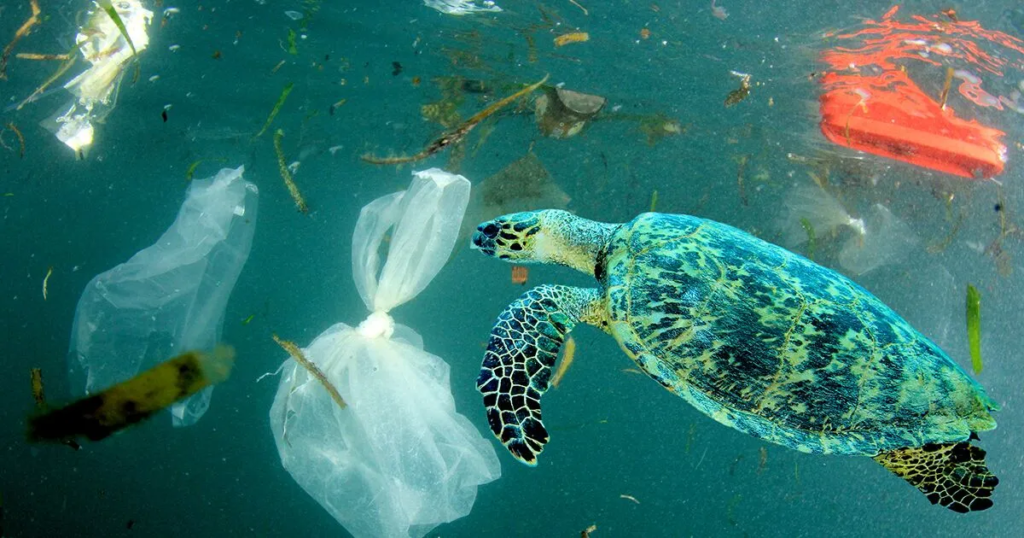
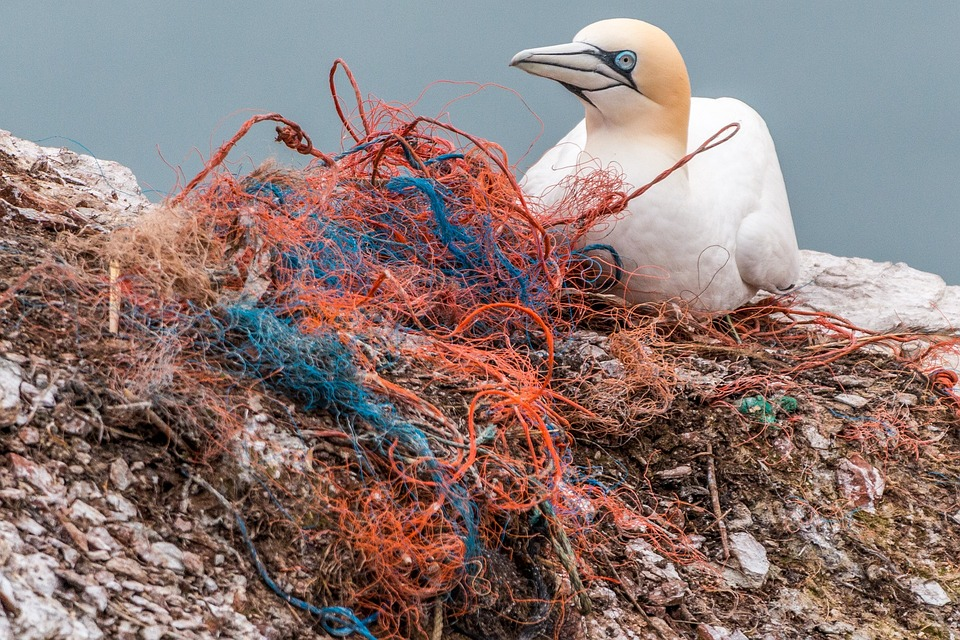
Plastic pollution in the ocean is a major environmental concern as it has devastating impacts on marine wildlife and ecosystems. Every year, hundreds of thousands of marine animals become entangled in plastic waste such as ghost gear, which can limit their movement and cause physical wounds or entrapment. These plastics can also enter the ocean’s food webs, leading to ingestion by fish and other aquatic life. Seabirds are especially prone to ingesting plastic debris, with nearly 700 species directly affected by it. Marine mammals like seals and sea turtles are also at risk of becoming entangled or ingesting plastic waste.

The effects of plastic pollution on wildlife go beyond just entanglement and ingestion; it can also lead to mortality due to starvation or suffocation, reduced reproductive rates, decreased genetic diversity, changes in animal behavior, and disruption of food chains. Plastic debris has been found in all five large ocean gyre systems (where ‘garbage patches’ accumulate), as well as coastal regions near heavily populated areas – meaning the problem affects both remote and close-to-shore areas alike. The accumulation of plastics is not only detrimental to wildlife but contributes to further ocean degradation due to its ability to absorb pollutants like oil or heavy metals

The Great Pacific Garbage Patch

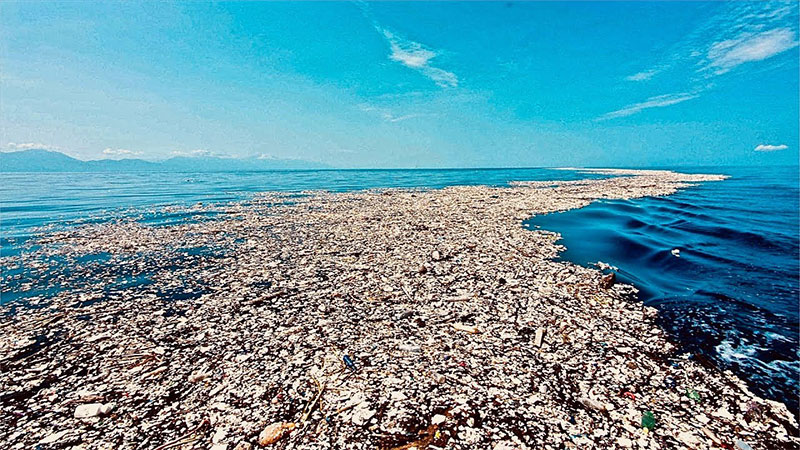
It is a massive collection of plastics, chemical sludge, and other debris that has built up in the North Pacific Ocean. It is estimated to be twice the size of Texas and three times the size of France. The Great Pacific Garbage Patch has been growing for decades and shows no signs of slowing down. It is a major environmental problem, as it harms marine life and can spread pollutants throughout the food chain.

The patch is caused by a combination of human activities, including the dumping of plastic waste into the ocean, as well as natural currents that carry debris from land to sea. The patch contains trillions of pieces of plastic, ranging in size from large objects such as discarded fishing nets to tiny microplastics that are ingested by marine life. This accumulation of waste poses a significant threat to ocean health and wildlife as it can damage habitats, smother coral reefs and endanger seabirds and other marine life. In addition, it has been linked with water pollution and climate change. To tackle this problem governments around the world have introduced legislation aimed at reducing plastic pollution such as banning single-use plastics like straws and bags. However, more needs to be done if we are to protect our oceans for future generations.

Effects on Human Health and Economy

Plastic waste is a major environmental issue and has become one of the most damaging pollutants in our oceans. Every year, over 10 million metric tons of plastic ends up in the ocean, killing marine wildlife like seabirds, fish and other animals. Humans are also negatively impacted by plastic pollution through ingestion and entanglement, as well as negative impacts on fisheries, heritage and recreation. The economic costs of cleaning up plastic pollution are estimated to be between $3,300 – $33,000 per tonne of marine plastic waste.

Plastic waste also contains toxic chemicals that can have serious health impacts when ingested or inhaled. Mercury is one such chemical which is widespread in the oceans due to coal burning and other human activities. Toxic additives such as phthalates can persist in the environment and bioaccumulate in exposed organisms which can have a detrimental effect on human health over time.

The cumulative effects of ocean pollution from plastics can have devastating consequences for both humans and ecosystems alike. Not only does it cause harm to our planet but it also affects global economies by increasing cleanup costs and reducing tourism revenue due to damaged areas caused by plastic debris. It is essential that we take action now by reducing our use of single use plastic.

Responses from Governments and Organizations

The ocean is facing a major crisis due to plastic waste, and governments and organisations around the world are taking action to address this problem. The World Bank Group has committed to fighting extreme poverty and working towards a healthier ocean by tackling marine plastic pollution.

In response, many countries have passed legislation or implemented policies that reduce the amount of plastic waste entering the ocean. Examples include bans on single-use plastics, taxes on plastic bags and bottles, extended producer responsibility systems for packaging, and requirements for product recyclability.

Organisations such as the Organisation for Economic Co-operation and Development (OECD) have conducted research into how best to reduce plastic waste in the ocean. The results found that a system change scenario would reduce the annual flow of plastic waste into the ocean by around 80% by 2040, with increased recycling rates as well as improved collection practices playing a key role in achieving this goal.

Together with these measures, various organisations are working on innovative solutions such as creating biodegradable alternatives to traditional plastics or developing remediation technologies that can break down existing plastics in our environment.

Reducing Single Use Plastics at Home

Single-use plastics are a major contributor to the plastic waste in our oceans. Every day, millions of people use single-use products such as straws and bottles, and these items often end up in our waterways. Fortunately, there are many ways that we can help reduce this plastic pollution by reducing our own use of single-use plastics.

One way to do this is by carrying a reusable bottle or coffee mug with us instead of buying drinks in disposable containers. Many coffee shops now offer discounts for customers who bring their own mugs and bottles. We can also avoid using single-use plastic straws by bringing our own metal or bamboo straws when we go out to eat or drink.

Another thing is, using natural sponges or loofahs instead of kitchen and bathroom sponges made of plastic can help reduce the amount of microplastics that enter our waterways each time we clean.

Finally, it’s important to remember that recycling correctly plays an important role in reducing plastic waste.

Implementing Waste Management Strategies for Businesses and Communities

Plastic waste is a growing issue around the world, and it is having a major impact on our oceans. Every year, an estimated 12 million tons of plastic pollution enters marine ecosystems, posing a huge threat to marine life. To address this problem, businesses and communities must take action by implementing effective waste management strategies.

One approach businesses can take is to reduce the amount of plastic they use in their operations. By reducing their reliance on single-use plastics such as straws, cutlery and packaging materials, they can significantly reduce the amount of plastic that makes its way into marine ecosystems. Additionally, businesses should encourage recycling among employees and make sure all recyclable materials are properly disposed of.

Communities can also play an important role in tackling plastic pollution by increasing awareness among citizens about the dangers of mismanaging plastic waste. Through education campaigns and public events such as beach cleanups, communities can educate citizens about proper disposal methods for plastics and encourage them to take action to reduce their consumption of single-use items.

Businesses and communities must work together to build a more sustainable future for our oceans by implementing effective waste management strategies that go beyond traditional solutions such as recycling or composting.

Cleanup Initiatives

Plastic waste is a growing problem for our oceans and marine life. The Ocean Cleanup is tackling this issue by developing and scaling technologies to rid the oceans of plastic. Their goal is to remove 90% of the floating plastics in the Great Pacific Garbage Patch. Other initiatives include reducing plastic production and waste, using plastic-devouring machines, deploying drones to monitor plastic pollution, and conducting large-scale open ocean cleanups. All of these measures are essential to preventing further damage to marine ecosystems and coastal communities. By 2050, experts estimate that there will be more plastic in our oceans than fish – we must act now if we want to protect our planet’s future.

Educational Programs and Awareness Campaigns

The ocean is being polluted by plastic waste at an alarming rate. Plastic pollution affects marine life and the environment in a variety of ways. To combat this problem, educational programs and awareness campaigns are essential.

Educational programs can help those living near the coast understand why it is important to reduce their plastic waste and how they can do so. This includes teaching them about the negative effects of plastic on marine life, such as entanglement, ingestion, and habitat destruction. It also educates people about proper disposal methods for plastics, such as recycling or composting.

Awareness campaigns are also useful for spreading information about plastic pollution to a wider audience. These campaigns can use various forms of media such as television ads, radio spots, posters, leaflets and social media posts to reach people from all walks of life. They aim to raise awareness about the problems caused by plastic waste in the ocean, inspiring people to make changes in their daily habits or support organizations that are working towards solutions to this global issue.

Educational programs and awareness campaigns can be powerful tools in combating plastic pollution in our oceans – but only if they reach as many people as possible! By working together we can fight against this global problem.

Recycling Programs for Used Plastics

Plastic waste is one of the most pressing environmental concerns facing our oceans today. Every year, millions of tons of plastic end up in our waterways, polluting the water and harming marine life. To help reduce this alarming amount of plastic pollution, many organizations have implemented recycling programs for used plastics.

Recycling plastic helps to conserve resources and reduce dependence on landfills. Through a process known as reprocessing, plastic waste can be repurposed into new products such as packaging and textiles. For example, Micro Defence uses recycled bottles to create new packaging.

Unfortunately, only about 25% of plastic waste is actually recycled; the rest enters our environment and pollutes our oceans. Ghost fishing gear—abandoned fishing nets—accounts for about 10% of this marine debris and is a major threat to biodiversity in the ocean. To reduce this kind of pollution, it’s important to properly manage all kinds of plastics before they end up entering rivers or oceans.

Conclusion

The ocean is filled with plastic, and the consequences are devastating. Every year, up to 12 million tons of plastic debris enters the oceans, polluting the water and killing wildlife. Plastic pollution is impacting marine life in a variety of ways, from entanglement to ingestion. The long-term impacts of this are still unknown, but it’s clear that something needs to be done to reduce this growing problem before it becomes an even bigger issue.

Fortunately, there are steps that can be taken to help reduce plastic waste in our oceans. We can start by reducing our single-use plastics such as straws and shopping bags. We can also support businesses who use sustainable packaging and recycling programs for their products. e.g. Micro Defence uses recycled plastic for all its products like sanitizers, hand wash, floor cleaners etc. Finally, we can all make sure to properly dispose of any plastic waste we generate, either by recycling or using proper disposal methods like a landfill or incinerator.

By taking these steps now we can ensure that future generations will have access to clean oceans for years to come!