
Are you looking for ways to keep your family healthy and happy? Are you finding it difficult to find cleaning and personal care products that are both safe and effective? If so, then this post is for you! We’ll explore some of the best and helpful tips on how to keep our families fit, healthy and so happy.
We at Micro Defence have been producing cleaning and personal care products for years those are free from hazardous chemicals. We have been contributing to the society by making millions of families healthy and happy. So, we are sharing some tips with you from our experience.
What is the definition of a healthy and happy family?
A healthy and happy family is one that takes care of their physical, mental, and emotional health needs. It is important to create a safe and clean environment in the home, as well as to establish healthy habits and routines. This includes regular handwashing and sanitizing, organizing the home to support healthy habits, and choosing Eco-friendly personal care products. Furthermore, meal planning is an important part of a healthy lifestyle, and cooking nutritious meals for the entire family is a great way to promote healthy eating habits. Finally, self-care is an important part of staying healthy and happy, and it is important to create a balanced routine for the whole family.

Tips for creating a safe and clean home environment
Creating a safe and clean home environment is essential to keeping your family healthy and happy. To achieve this, it’s important to maintain regular cleaning habits, pay attention to ingredients in personal care products, and practice good hygiene.
Cleaning surfaces in your home is an important part of any cleaning routine. This helps to remove germs, dirt, and other impurities, and helps to keep your family healthy. Sanitizing or disinfecting can also reduce the number of germs on surfaces and objects. Additionally, washing your hands frequently with soap and water is one of the best ways to protect yourself from getting a variety of illnesses, including COVID-19, colds, and flu.
When selecting personal care products, it’s important to be aware of the ingredients that might be included in them. By taking the time to read the labels, you can make healthier choices for your family and for the environment.
Organizing your home is also important for supporting healthy habits. Consider creating designated spaces for activities such as meal prep, exercise, and relaxation. This will help your family stay organized and establish a healthy balance.
Finally, remember that self-care is an important part of creating a healthy home environment. Developing a balanced routine for the whole family that includes physical activities, healthy eating, and relaxation can help promote overall well-being.
Organizing your home to support healthy habits
Organizing your home goes a long way in supporting healthy habits. A well-organized and clutter-free home is a great way to encourage healthy eating, exercise, and leisure activities. By setting up a dedicated area for each activity, you can create a space where everyone can work and play in a healthy way. Here are some tips for organizing your home to support healthy habits:
• Create designated areas for each activity. For example, set up an area for studying, an area for exercising, and an area for leisure activities.
• Consider the placement of items in the home. Make sure to locate items like snacks and drinks away from activity areas to avoid distractions.
• Have a separate space for food preparation and eating. This will help to reduce the risk of cross-contamination.
• Declutter your home. Clutter can lead to a feeling of being overwhelmed and can make it difficult to focus on activities.
• Designate a space for storing items like cleaning supplies, soaps, and sanitizers. This will help to keep these items out of the reach of children and make them easy to access when needed.
Healthy recipes for the whole family
Having a healthy diet is essential for maintaining overall health and well-being of the family. Eating nutritious meals ensures that everyone in the family has enough energy to tackle the day, supports their immune system and can help reduce feelings of stress and fatigue. Preparing healthy meals doesn’t have to be complicated and it doesn’t have to mean sacrificing taste. There are plenty of recipes that can be adapted to suit a variety of diets and tastes.
Making sure the family eats a balanced and nutritious diet begins at home. Planning meals for the week and stocking up on the necessary ingredients helps to ensure that the family has access to healthy meals and snacks. This also helps to save time and money, as well as reduce food waste. Finding new recipes and involving the whole family in meal planning and cooking can make the process more enjoyable.
By following these tips, families can take steps towards creating a healthier and happier home environment. Not only can it help to improve physical health, it can also help to reduce worries about nutrition and provide more quality time together.
Role of handwashes and sanitizers in keeping family fit and healthy
Handwashes (liquid soaps) and sanitizers play an important role in keeping our family healthy and happy. Handwashes help to remove dirt and germs from our hands and body, while sanitizers are used to reduce the amount of germs on surfaces and our hands. Regular use of handwashes and sanitizers can help protect our family from getting sick and help prevent the spread of germs.
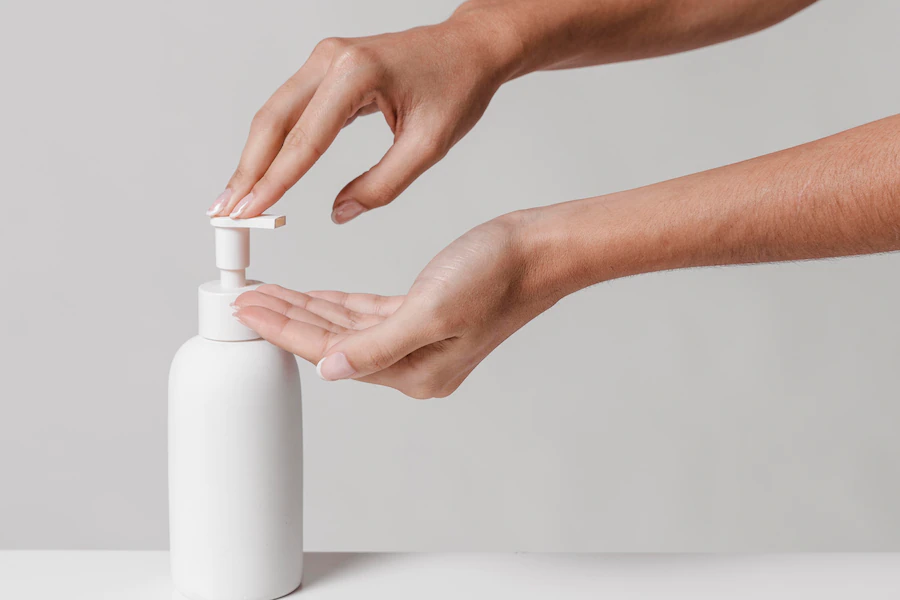
When washing our hands with soap, it is important to make sure that we lather our hands with soap and scrub them for at least 20 seconds. This will help to remove the dirt, germs and other impurities that can cause illness.
Sanitizers help to reduce the amount of germs on our hands and surfaces. They are a quick and easy way to reduce the risk of transmitting diseases. It is important to use sanitizers that are approved by the recognized agencies and to follow the directions on the label.
Using handwashes and sanitizers regularly can help keep our families healthy and happy. It is important to practice good hygiene, such as washing our hands regularly and using sanitizers, in order to reduce the spread of germs and protect our families from getting sick.
Best practices for handwashing and sanitizing
Good hand hygiene is essential to keeping families healthy and happy. Washing your hands frequently with soap and water is the best way to reduce germs and prevent the spread of infection. However, when soap and water aren’t available, using an alcohol-based hand sanitizer is a great alternative. Hand sanitizers, when used correctly, can help reduce the transmission of infectious diseases such as COVID-19, colds and flu.
It is important to teach children about the importance of good hand hygiene. Encourage them to wash their hands for at least 20 seconds, especially after using the bathroom, before eating, after playing with pets, and after touching objects and surfaces outside the home.
When selecting a hand sanitizer, look for one that contains at least 60% alcohol. Also, make sure to select hand sanitizers that are free of dyes, and other harsh chemicals that can be harsh on sensitive skin. Finally, always read the label before using any product to make sure it is right for you and your family.
How to choose Eco-friendly personal care products
Making conscious, Eco-friendly decisions isn’t easy, but it’s important to protect the environment and our health. When it comes to personal care products, there are a few simple steps you can take to ensure that you’re choosing the best options.
First, look for products that are free of harsh chemicals, artificial fragrances and dyes. Choose natural and organic ingredients whenever possible, and read labels carefully. Check for certifications from recognized and authorized organizations. These certifications will help ensure that the products and ingredients are ethically sourced and of the highest quality.
It’s also important to consider the packaging of the products you use. Choose items with minimal packaging, such as those with refillable containers or those made from recycled materials. This will help reduce waste and support sustainable practices.
Finally, look for companies who are committed to sustainability. Many companies have made commitments to reduce their carbon footprints and support green initiatives, and these are great options for those looking to make Eco-friendly choices.
By following these tips, you can ensure that you’re choosing the best, most sustainable personal care products for your family. Doing so will help keep your family healthy and contribute to a cleaner, healthier environment.
Creating a balanced routine for the whole family
Creating a balanced routine for the whole family is a great way to keep everyone healthy and happy. A balanced routine includes physical activity, healthy eating habits, restful sleep, and mental and emotional well-being. Incorporating physical activity into your family’s daily routine can help reduce stress, increase energy levels, and encourage healthy habits. Eating a nutrient-rich diet and getting enough sleep are also essential for maintaining good health. Taking time for activities that promote a sense of balance, such as reading, listening to music, or engaging in creative activities can help reduce stress and boost your family’s mental and emotional well-being. Choosing handwashes (liquid soaps), sanitizers, and personal care products that are free from harsh chemicals can help reduce exposure to harmful substances and support a healthier lifestyle.
Summary
In conclusion, we have seen that there are a multitude of ways to keep our families healthy and happy. From organizing our homes for a safe and clean environment, to creating healthy recipes for the whole family, to choosing Eco-friendly personal care products, we can create a balanced routine that supports the health and well-being of our families. Regularly washing hands and using soaps and sanitizers can help reduce the risk of transmission of infectious diseases such as COVID-19. We can also help our children to develop good hygiene habits, boosting their self-esteem and confidence. With the right products and habits in place, we can make sure that our families stay healthy and happy.